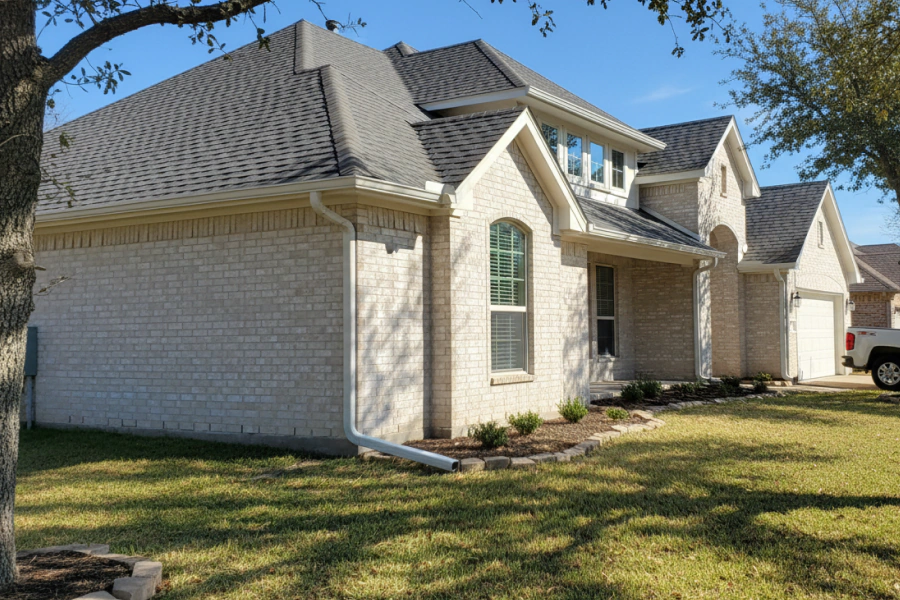
Why Functional Rain Channels Matter for Your Property
Properly functioning drainage systems protect your home from some of the most damaging forces in nature: water infiltration and foundation erosion. In Hutto, TX, where intense summer thunderstorms can dump several inches of rain in just hours, effective water management becomes absolutely critical for preserving your property’s structural integrity.
When rainwater cascades off your roof without proper channeling, it pools around your foundation, seeps into crawl spaces, and gradually compromises the structural elements that keep your home stable. Over time, this unchecked water flow leads to foundation cracks, basement flooding, soil erosion, and landscape damage that costs thousands of dollars to remedy.
The climate conditions throughout Central Texas present unique challenges for property owners. The combination of prolonged dry spells followed by sudden heavy rainfall creates soil expansion and contraction cycles that place additional stress on foundations already vulnerable to water damage. Without adequate drainage directing water away from the building perimeter, these natural weather patterns accelerate deterioration.
Modern rain channel systems do far more than simply collect water. They represent a coordinated protection strategy that includes properly sized troughs, strategically positioned downspouts, optimal pitch for water flow, and secure fastening systems that withstand high winds. Each component works together to ensure water moves efficiently from your roof to designated drainage areas well away from your foundation.
Quality materials make a substantial difference in longevity and performance. Aluminum options resist corrosion while maintaining structural integrity through temperature fluctuations. Copper alternatives develop attractive patinas while offering exceptional durability spanning decades. Vinyl choices provide economical solutions for budget-conscious property owners, though they may require more frequent replacement in extreme heat conditions.
The importance of regular maintenance cannot be overstated. Leaves, pine needles, seed pods, and granules from roofing shingles accumulate quickly, especially during fall months when trees throughout Williamson County shed their foliage. These blockages force water to overflow, defeating the entire purpose of your drainage system and potentially causing damage identical to having no protection at all.
Recognizing Warning Signs Before Costly Damage Occurs
Homeowners often overlook subtle indicators that their drainage systems need professional intervention. Water stains on exterior siding, particularly near corners or along fascia boards, signal overflow problems that require immediate assessment. Peeling paint on soffits or fascia suggests prolonged moisture exposure from improperly functioning channels.
Sagging sections represent one of the most visible problems affecting older installations. When fasteners pull away from fascia boards or hangers deteriorate, entire sections begin drooping under the weight of accumulated debris and standing water. This not only looks unsightly but also disrupts the proper slope necessary for effective drainage, creating low spots where water pools instead of flowing toward downspouts.
Leaking seams and joints develop as sealants age and temperature fluctuations cause expansion and contraction. In regions experiencing temperature swings between freezing winter nights and warm afternoons, these joints face constant stress. Small drips during rainstorms often indicate failing seals that will worsen rapidly without professional repair.
Downspouts that discharge water too close to foundations create the exact problem your drainage system should prevent. Extensions should direct runoff at least five to ten feet away from the building perimeter, depositing water where it can safely absorb into the ground or flow into designated drainage areas. Improper placement negates the benefits of even the most well-maintained trough system.
Rust spots, holes, and corrosion typically appear first at seams and around fastener points where protective coatings wear thin. Once corrosion begins, it spreads quickly, especially in humid climates. What starts as a small rust spot can develop into a through-hole within a single season, allowing water to bypass the drainage system entirely.
Overflowing during moderate rainfall indicates undersized components or severe blockages. Properly sized systems handle typical rainfall volumes for the geographic area without overtopping. When overflow occurs during anything less than exceptional downpours, the installation either lacks adequate capacity or debris has reduced effective flow capacity below functional levels.
Ice dams forming along roof edges during winter months suggest inadequate attic ventilation combined with drainage problems. While primarily a ventilation and insulation issue, ice dams place tremendous stress on drainage systems, often tearing them away from fascia boards or crushing them under the weight of accumulated ice.
Preventive Care Approaches for Long-Term Performance
Establishing a consistent maintenance schedule prevents minor issues from developing into expensive repairs. Most drainage systems benefit from thorough cleaning at least twice annually, typically in late spring after tree pollination and again in late fall after leaves have dropped. Properties surrounded by mature trees or those with overhanging branches may require quarterly attention to prevent accumulation.
Proper cleaning involves more than simply removing visible debris. Professionals flush the entire system with water to verify proper flow, check for leaks at seams and joints, examine fastener integrity, and assess overall structural condition. This thorough approach identifies developing problems before they cause damage, allowing for cost-effective repairs rather than complete replacement.
Protective screens and guards reduce maintenance frequency by preventing leaves and large debris from entering the system while allowing water to flow freely. Various designs offer different advantages depending on the surrounding environment. Micro-mesh options filter out even small particles like pine needles and roof granules. Reverse-curve designs use surface tension to direct water into channels while debris falls to the ground.
Inspecting and maintaining downspout outlets ensures water discharges properly away from foundations. Underground drainage extensions require periodic flushing to remove sediment buildup that gradually restricts flow. Surface extensions need repositioning as landscaping changes or settling occurs, ensuring they continue directing water to appropriate drainage areas.
Sealant application at joints and end caps prevents leaks before they start. Modern sealants formulated specifically for metal and vinyl applications withstand temperature extremes and UV exposure far better than general-purpose products. Applying fresh sealant every few years during routine maintenance adds minimal cost while preventing water intrusion that leads to fascia rot and structural damage.
Fastener inspection identifies loose hangers or spikes before entire sections pull away. Over time, wood fascia boards age and fasteners lose holding strength. Reinforcing attachment points or upgrading to more robust hanger systems during routine maintenance prevents catastrophic failures during severe weather events.
Slope adjustment ensures proper drainage throughout the system. Settling, impact damage, or improper initial installation can create reverse slopes where water pools instead of flowing toward outlets. Professional assessment with proper leveling tools identifies problem areas that homeowners often miss during casual visual inspections.
Planning Effective Drainage Solutions for Your Property
Successful installations begin with accurate measurements and capacity calculations based on roof area, pitch, and local rainfall intensity. Undersized systems overflow during heavy rains, while oversized components waste money without providing additional protection. Professional contractors use regional rainfall data and standardized calculation methods to determine optimal sizing for each specific property.
Seamless construction offers significant advantages over sectional alternatives. Custom-formed on-site to exact measurements, seamless designs eliminate most joints where leaks typically develop. The continuous construction provides cleaner aesthetics, improved structural integrity, and reduced maintenance requirements. While initial costs run slightly higher than sectional options, the long-term value proposition strongly favors seamless installations.
Material selection depends on budget, aesthetic preferences, and expected lifespan requirements. Aluminum dominates residential applications due to its excellent balance of cost, durability, and corrosion resistance. Available in numerous colors to complement any exterior design, aluminum systems typically last twenty to thirty years with proper maintenance. Copper installations cost significantly more but deliver exceptional longevity, often functioning effectively for fifty years or longer while developing distinctive patinas that many property owners find attractive.
Proper slope represents perhaps the most critical installation parameter. Industry standards specify a minimum quarter-inch drop per ten feet of horizontal run, creating just enough pitch to ensure water flows toward downspouts without rushing so quickly that it overshoots outlets during heavy rainfall. Achieving this precise slope requires skill, proper tools, and attention to detail throughout the installation process.
Downspout placement and sizing directly impact system effectiveness. Generally, one downspout should serve every thirty to forty feet of trough, though roof area, pitch, and local rainfall patterns influence optimal spacing. Positioning outlets at building corners when possible simplifies underground drainage extensions and minimizes impact on landscaping and architectural features.
Fascia board condition must be assessed before installation proceeds. Rotted or damaged boards cannot support the weight of filled drainage channels and will fail prematurely. Professional contractors inspect fascia integrity, recommend necessary repairs, and often coordinate with carpenters to ensure solid attachment surfaces before beginning installation.
Integrating drainage systems with overall water management strategies maximizes property protection. Coordinating with French drains, dry wells, rain gardens, or municipal storm sewer connections ensures collected water reaches appropriate destinations rather than simply relocating problems to different areas of the property.
Protecting Your Investment with Qualified Professionals
Selecting qualified professionals for installation, maintenance, and repair work ensures your drainage system performs as intended for years to come. ICS Quality Roofing LLC brings specialized knowledge of Central Texas weather patterns, soil conditions, and architectural styles common throughout Hutto and surrounding Williamson County communities. This regional familiarity allows for customized solutions that address the specific challenges faced by local property owners.
During the intense thunderstorm season spanning late spring through early fall, Hutto experiences weather patterns that test drainage systems to their limits. Short-duration cloudbursts delivering multiple inches of rainfall in under an hour create flow volumes that overwhelm inadequately designed or poorly maintained systems. Understanding these regional weather characteristics enables proper system sizing and component selection that handles typical local conditions without premature failure.
The combination of professional installation using quality materials and consistent maintenance delivers optimal return on investment. While cutting corners with economy-grade materials or attempting do-it-yourself installations might reduce immediate costs, the long-term expenses associated with premature replacement, water damage repairs, and foundation work far exceed the savings. Professional contractors stand behind their work with warranties and guarantees that protect your investment.
ICS Quality Roofing LLC offers services spanning the full spectrum of drainage needs, from initial installations on new construction to maintenance programs for existing systems and complete replacements when components reach the end of their functional lifespan. This continuity of service allows for ongoing relationships where contractors become familiar with individual properties and can provide increasingly customized recommendations as needs evolve.
Beyond basic functionality, properly installed and maintained drainage systems contribute to overall property value and curb appeal. Clean, well-aligned channels complement architectural features rather than detracting from aesthetic presentation. Prospective buyers recognize quality installations as indicators of overall property maintenance, making drainage systems an important consideration during property valuations and sales negotiations.
Trust professionals who understand the unique demands placed on drainage systems throughout the Hutto area. With expertise in installation, repair, maintenance, and full system replacements, qualified contractors provide the knowledge and craftsmanship necessary to protect your most valuable asset from water damage while enhancing its appearance and market value.